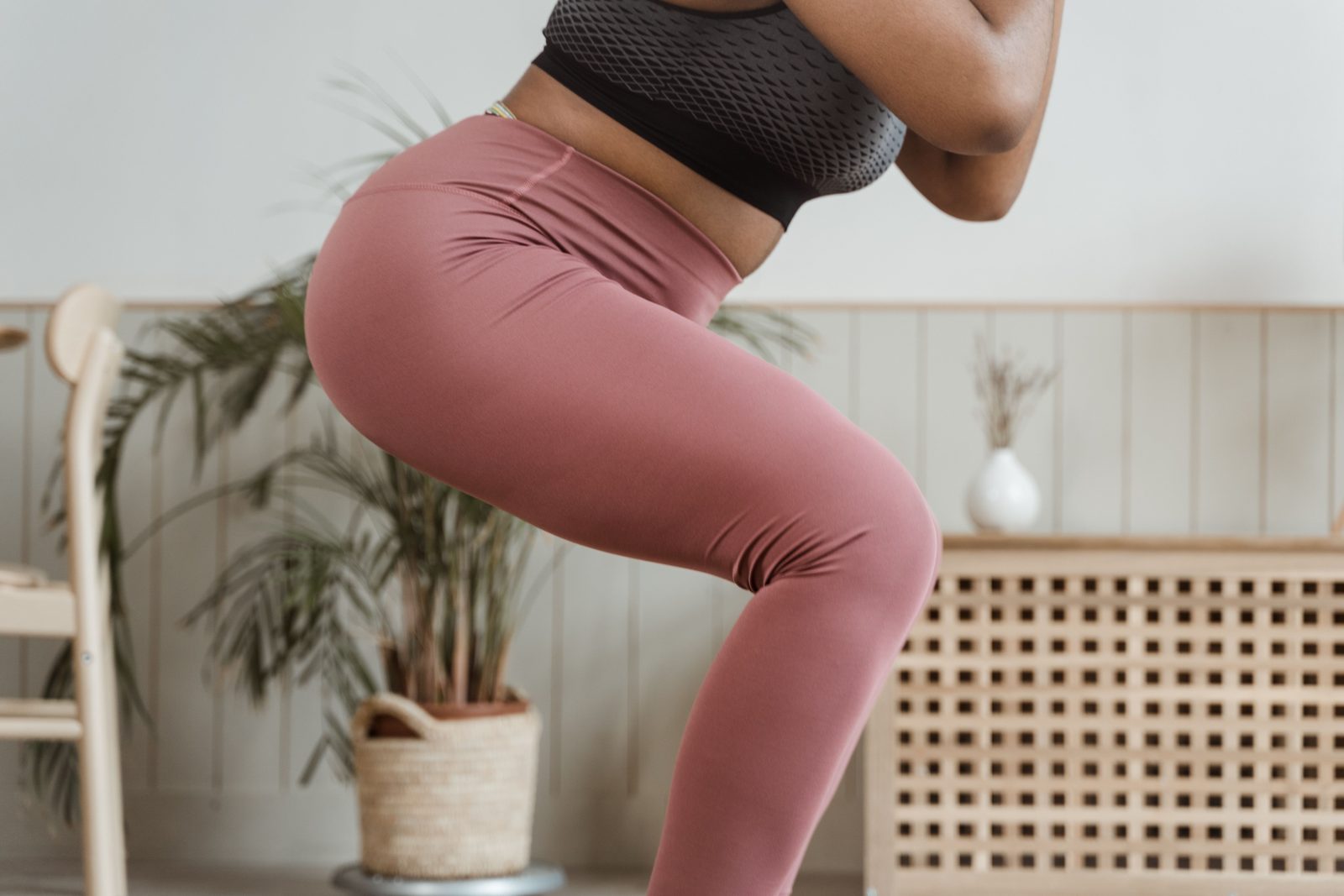
Your body is not failing the movement. It is showing you how it has learned to solve it.
Sep 2026 · Four minutes.
Most of us were taught that a squat means bending the knees and standing back up. But the movement is far more intelligent than that.
Your feet receive the ground. Your ankles need enough motion. Your hips make and control space. Your spine organizes pressure and load. And your nervous system coordinates all of it, moment by moment, asking: *Do I have enough support and control to go here?*
When one area has fewer options, another helps out. I don't see that as doing the exercise wrong. I see information.
When I watch a squat, I often begin at the feet — not because every problem starts there, but because the feet show me how you receive and direct force.
A useful starting point is the tripod foot: the base of the big toe, the base of the little toe, and the heel. We want contact through all three, without gripping or clawing the floor. When pressure disappears from one point, the arch, knee, and hip reorganize above it to keep you upright.
Try this: gently spread the floor while keeping all three points connected. Notice what changes higher up.
"Push your knees out" is one of the most common cues. Sometimes it helps. Sometimes it only changes how the movement looks while the original strategy stays underneath.
A knee drifting inward can be influenced by foot pressure, ankle motion, hip control, trunk position, fatigue, speed, load, and your own anatomy. A small amount is not automatically dangerous. What matters is context: when does it happen, under what load, at what depth, and with pain or without it?
Sometimes the answer is a different stance, less depth, a slower tempo, a box, or reconnecting your foot and hip before trying again.
How low you squat depends on your ankles, hip structure, proportions, balance, history, and the goal of the exercise. Two equally strong women can need different squat shapes.
A chair, box, counter, or smaller range is not cheating. It lets your nervous system practice success. Your best depth is the one you can organize today — without losing your foundation or forcing through pain.
Progress may look like more depth. It may also look like less pain, steadier feet, a quieter neck, a smoother rise, more load, or more confidence.
More weight is one way to progress. It is not the only way. Slow the descent to three counts. Pause for two seconds at a depth you own. Rise smoothly, without rushing past the part that asks for control. A lighter squat becomes much more demanding without momentum.
Breath matters too: it helps organize pressure and meet effort without tension everywhere else. The exact strategy changes with the person and the load.
Control before range. Capacity before intensity. That is how strength becomes something your body can keep.