Protein, fiber, fat, and the meals that support adaptation rather than restriction.
Sep 2026 · Four minutes.
Food is biochemical information. Every meal sends signals that influence hormones, the nervous system, inflammation, and metabolism.
But no single food or supplement controls the menopause transition. What follows supports adaptation. It does not override physiology.
Protein supplies amino acids for muscle remodeling, enzymes, immune proteins, neurotransmitter precursors, and connective tissue.
Aging muscle becomes less responsive to small protein doses, so both total intake and distribution matter. I suggest a meaningful protein source at breakfast, lunch, and dinner — commonly twenty-five to forty grams per meal.
Fiber supports regularity and satiety, and feeds gut microbes that produce short-chain fatty acids involved in intestinal, immune, and metabolic health. Soluble fiber can help lower LDL cholesterol and slow the post-meal glucose rise. Fiber also participates in estrogen clearance.
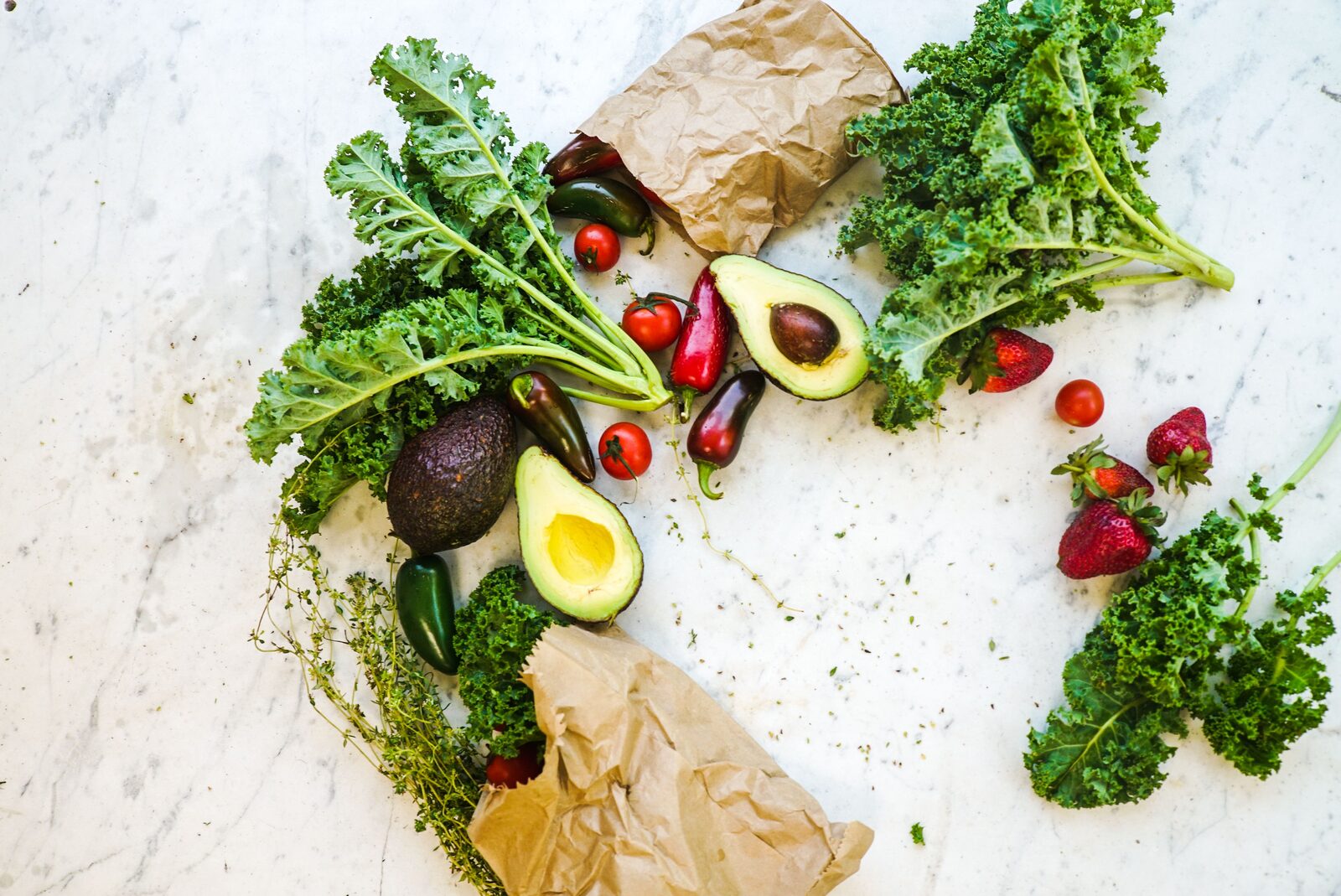
Beans, lentils, oats, chia, flax, berries, vegetables, nuts, seeds, and whole grains. Thirty to thirty-five grams a day is a reasonable target.
Fats are essential for hormone formation. Replacing some saturated fat with unsaturated fat can improve LDL cholesterol — extra-virgin olive oil, nuts, seeds, avocado, and fish.
Menopause is an important moment to reassess LDL-C, triglycerides, blood pressure, glucose, smoking, and family history, and when appropriate ApoB and lipoprotein(a).
Carbohydrates provide glucose for the brain and fuel higher-intensity exercise. The response depends on amount, food form, fiber, protein, activity, sleep, and insulin sensitivity.
Pairing minimally processed carbohydrate with protein and fiber often improves satiety and moderates the glucose rise. Muscle contraction itself increases glucose uptake — which is why even a short walk after a meal helps.
Bone is living tissue that continually remodels. Estrogen decline can accelerate resorption, but nutrition works together with mechanical loading.
Calcium provides mineral substrate. Vitamin D supports absorption. Protein supplies amino acids for bone matrix and muscle. Food-first calcium sources include dairy, fortified alternatives, calcium-set tofu, canned fish with bones, and some greens.
More is not automatically better. Excessive supplemental calcium or vitamin D can cause harm. And resistance training provides a mechanical signal that nutrients alone cannot replace.
Repeated under-eating can impair training quality, recovery, muscle preservation, bone remodeling, thyroid function, mood, and sleep. At the other extreme, highly processed foods make adequate protein and fiber harder to reach.
The aim is not restriction. It is enough energy and nutrients to support the body you are asking to adapt.
Build most meals around protein, plus plants rich in fiber and color, plus a minimally processed carbohydrate when it serves your energy and training, plus an unsaturated fat.
Consistency across weeks matters far more than perfection at one meal.