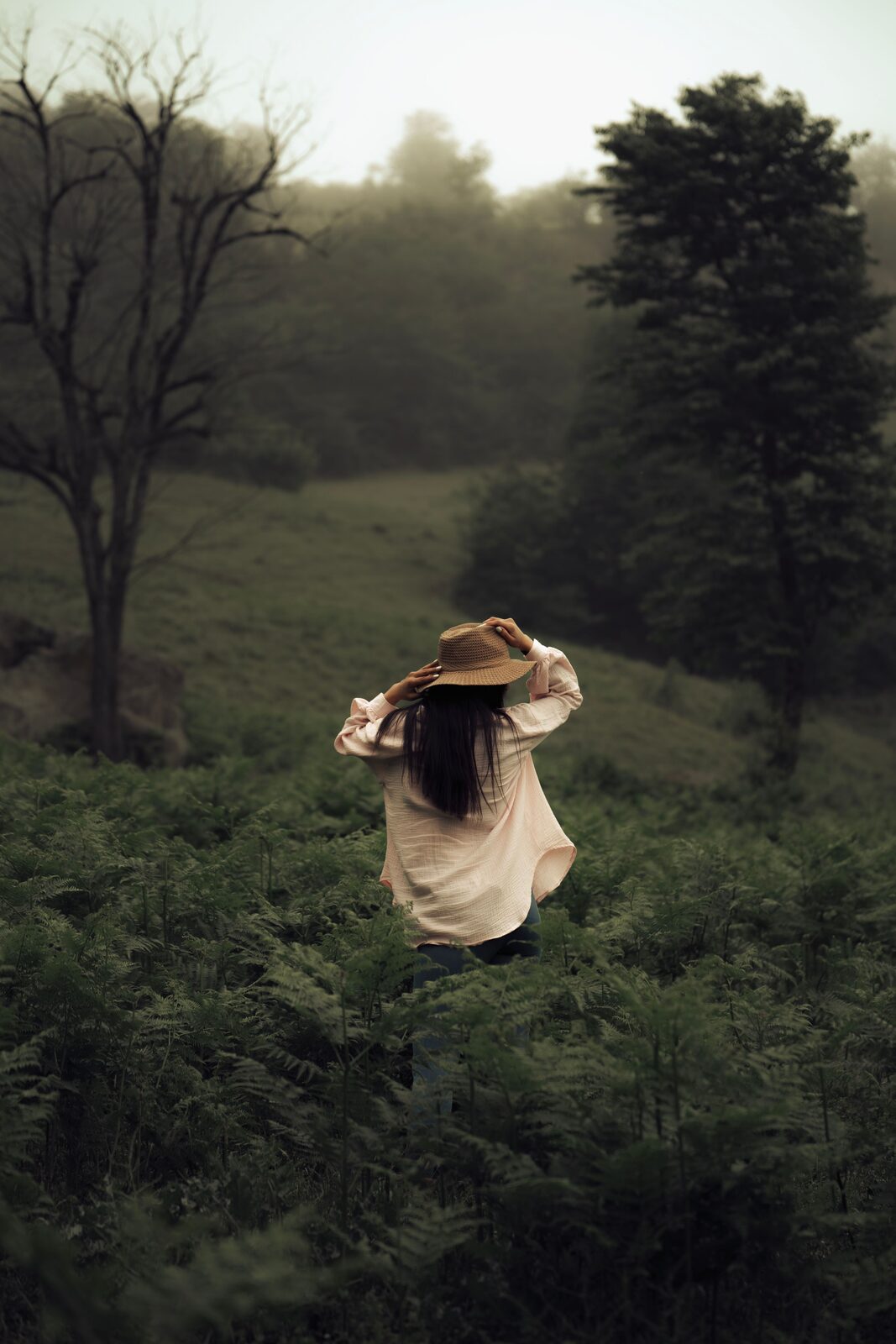
Health is shaped by the relationships and places around the body, not only by what happens inside it.
Sep 2026 · Three minutes.
Midlife often changes the structure of daily life. Children may leave home. Parents may need care. Relationships and work roles shift. And the body itself may feel less predictable.
In that context, community is not an optional wellness accessory.
Strong social relationships provide practical help, emotional support, shared meaning, accountability, touch, laughter, movement, and the experience of being known.
At the population level, social isolation and loneliness are associated with poorer cardiovascular and metabolic health, depression and anxiety, cognitive decline, and higher mortality.
Connection does not mean a large social circle. Quality, reciprocity, belonging, and having people you can rely on are what matter.
Time in green and blue spaces is associated with better mental well-being. Structured nature-based activity — walking, gardening, green exercise — has shown benefits for mood and anxiety.
Several pathways probably contribute: physical activity, reduced noise and heat exposure, psychological restoration, attention shifting, social contact, and a greater sense of place.
Nature is not a treatment for every symptom. But it changes the sensory, behavioral, and social environment in which recovery happens.
In Mapuche thought, relationship to community and territory is not easily separated from relationship to the living world. Itrofill Mogen speaks to the many forms of life existing in interdependence. Contemporary Mapuche scholarship describes identity, care, knowledge, and leadership as relational and situated in territory. Among Mapuche Lafkenche women, research has documented community care, the transmission of kimün, collective organization, and the defense of territory as practices that sustain community life.
I am not claiming that an Indigenous worldview is a medical intervention, or that all Indigenous cultures understand health in the same way. The invitation is more careful than that.
Modern health science is increasingly recognizing the importance of social connection and restorative environments. Mapuche knowledge has long held relationship — among people, place, memory, and other forms of life — as central to how life is understood.
Protect time for people who nourish you. Walk with someone. Eat together. Join a group. Volunteer. Sit under a tree. Garden. Visit water. Move outdoors. Learn the names and rhythms of the place where you live.
Health is personal. It is not only individual.